The order in which you spend your money makes a difference for your taxes — and your enjoyment of life.
In what may be a first since the early days of the war between the U.S. and Iran, a Wall Street firm is lowering rather than raising its S&P 500 year-end target.
Global fund managers are more worried about a “disorderly rise” in bond yields than a bubble for AI, says Bank of America’s latest survey.
Much of the megacap tech group is enjoying a rally, says one analyst.
Vincent Deluard, market strategist at StoneX, recommends pairing British equities with a trade that shorts the euro against the Japanese yen.
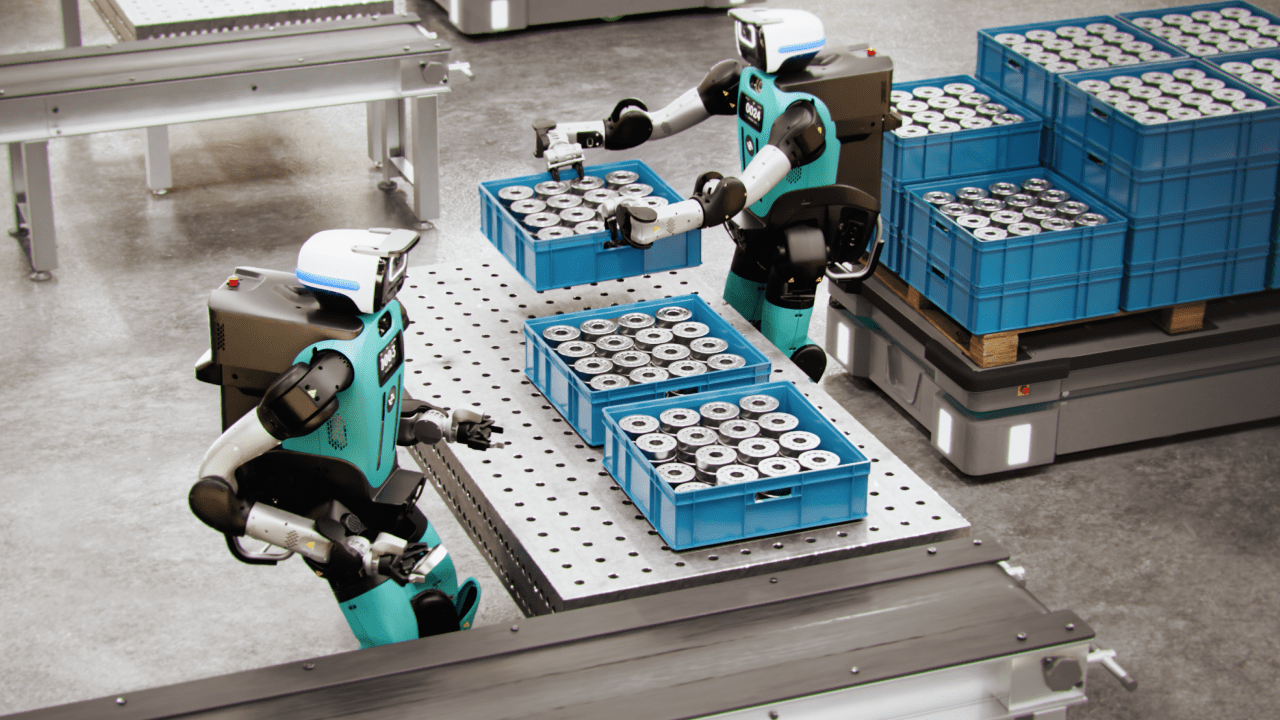
Ahead of an expected public-market debut later this year, Agility Robotics says it has cracked the code and devised humanoids that can work safely alongside real humans.
A Kohl’s executive recently said fine jewelry “just seems to be something that continues to trend incredibly well with our customers.”
A fixed-income team at Morgan Stanley say investing in distressed debt and frontier local-market investing have helped drive solid returns for their fund.
If all employers matched debt payments, workers would save more than $10 billion.
“They had been married for over 30 years when she passed.”
Morgan Stanley late on Monday joined Wall Street rival Goldman Sachs in changing its call from the Federal Open Market Committee leaving rates unchanged to the U.S. central bank hiking interest rates.
Anthropic CEO Dario Amodei and others are warning that AI models may be able to build on themselves, without the help of humans. It’s a concept known as recursive self-improvement.
Oil buyers are paying much more to get a barrel of crude oil immediately as the Iran conflict threatens global supplies.
A slowdown in the pace of AI development wouldn’t necessary dent spending, but there are other reasons semiconductor investors may want to take a measured approach.
As home prices remain near record highs, about 81% of housing markets in America are overvalued, a new ratings-agency report says, with the Northeast leading the pack.
The oil exporting kingdom is now dealing with the shutdown of its East-West pipeline. Energy prices ‘are only going to rise on the back of this.’
The software sector is on pace to outperform the chip sector by a historic degree in the face of escalating AI fears.
The 10-year Treasury yield crossed a key 5% threshold on Monday, nudging the average 30-year mortgage rate upward.
Some economists are calling on the central bank to wait before raising interest rates, out of concern the economy may be vulnerable beneath the surface.
Michael Burry, Donald Trump and others are criticizing Anthropic’s CEO, who recently said AI companies need to adopt better safety measures.
The latest cracks in the AI trade are emerging at a particularly troubling time for investors.
Washington is likely to move slowly, but there are catalysts that could make it act faster than expected
4% APYs sound good. Too bad inflation is taking a bigger bite out of those yields now.
Social Security benefits will be largely stable in real terms.
The risks of disaster are real. But who wants to give up those massive stock valuations?
The benchmark 10-year Treasury yield briefly touched the crucial 5% threshold on Monday, with oil prices marching higher, jitters about artificial intelligence growing and investors looking elsewhere for safety.
“I invested on the recommendation of an executive vice president of a major New York investment bank.”
These are the biggest issues to consider when there’s more than a 10-year age difference.
History suggests the bull market in stocks will continue if the Fed raises interest rates this week, but there are things investors can do to take some precaution if hikes continue.
The Danish drug giant behind Ozempic is competing with Eli Lilly in the market for weight-loss drugs.
Page 10